Why Choose a 5mm Copper-Free Silver Mirror? A Practical Guide for Bathrooms, Hotels, and Commercial Projects
Why Choose a 5mm Copper-Free Silver Mirror? A Practical Guide for Bathrooms, Hotels, and Commercial Projects
Selecting the right mirror involves more than choosing the correct size and shape. For bathrooms, hotels, residential developments, retail interiors, and other commercial projects, buyers should also consider the mirror coating system, glass thickness, corrosion resistance, optical quality, safety requirements, and installation conditions.
One commonly specified option is the 5mm copper-free silver mirror.
Compared with conventional mirror constructions, copper-free silver mirrors are designed to reduce the use of copper in the reflective coating system and can provide improved resistance to common forms of mirror-edge deterioration when manufactured and installed correctly.
At Chengtai Mirror, copper-free silver mirror glass is used across a range of bathroom and decorative mirror applications. Based on our manufacturing experience, the following factors are especially important when deciding whether a 5mm copper-free mirror is suitable for a project.
1. What Is a Copper-Free Silver Mirror?
A silver mirror is manufactured by applying a reflective silver layer to glass and protecting that reflective layer with additional coatings.
Traditional silver mirror production commonly incorporated a copper layer as part of the backing system. In copper-free mirror production, this copper layer is replaced by an alternative protective system.
The exact coating structure can vary between glass manufacturers, which means buyers should evaluate the actual mirror specification and test performance rather than assuming that all products marketed as “copper-free” perform identically.
For project procurement, useful information to confirm with the supplier includes:
- Glass manufacturer or source
- Mirror coating specification
- Copper-free construction
- Protective paint system
- Relevant environmental or chemical compliance
- Corrosion-resistance testing
- Mirror thickness tolerance
2. Why Corrosion Resistance Matters in Bathrooms
Mirror deterioration is particularly important in bathrooms because the mirror is regularly exposed to:
- High relative humidity
- Condensation
- Water splashes
- Cleaning chemicals
- Temperature changes
- Moisture around exposed edges
One common form of mirror deterioration is darkening or spotting around the perimeter. This can occur when moisture or chemicals penetrate the protective backing and affect the reflective layers.
Copper-free mirror systems are designed to improve resistance to this type of deterioration compared with older mirror constructions.
However, mirror durability depends on more than the coating alone.
Edge processing, sealing, adhesive selection, installation method, ventilation, and exposure to cleaning chemicals can all influence long-term performance.
For this reason, specifying copper-free mirror glass should be considered one part of a complete bathroom mirror durability strategy.
3. Why 5mm Glass Is Commonly Used
Mirror glass is available in several thicknesses. Common choices for decorative and bathroom applications include 3mm, 4mm, 5mm, and 6mm, depending on product size and construction.
For many medium-to-large bathroom mirrors, 5mm glass provides a practical balance between rigidity, weight, processing flexibility, and appearance.
Improved rigidity
As mirror dimensions increase, glass rigidity becomes more important.
Compared with thinner mirror glass, 5mm glass generally provides greater stiffness, which can help the mirror maintain a flatter surface when properly supported.
This is particularly useful for:
- Larger wall mirrors
- Frameless bathroom mirrors
- LED mirrors
- Hotel vanity mirrors
- Decorative mirrors with irregular shapes
Reduced risk of visible distortion
Mirror reflection quality is influenced by several factors, including:
- Flatness of the original glass
- Glass thickness
- Mirror size
- Mounting method
- Frame pressure
- Wall flatness
Using an appropriate glass thickness can help reduce deformation, but thickness alone does not guarantee distortion-free reflection.
Correct installation and dimensional control are equally important.
Practical weight
Increasing glass thickness also increases weight.
While thicker glass may provide greater rigidity for certain applications, it also requires stronger mounting hardware and can increase transportation and handling costs.
For many bathroom mirror designs, 5mm therefore represents a practical engineering compromise rather than a universal requirement.
4. Silver Mirror vs. Aluminum Mirror
Another important sourcing decision is the reflective coating itself.
Silver mirrors and aluminum mirrors are produced using different reflective materials and manufacturing processes.
For applications where reflection quality is important, silver mirrors are commonly selected because they can provide high reflectivity and good visual clarity.
Typical applications include:
- Bathroom vanity mirrors
- Hotel guest rooms
- Dressing rooms
- Retail fitting rooms
- Salons
- Residential interiors
- Decorative wall mirrors
Aluminum mirrors can also be appropriate for certain applications, particularly when project specifications, cost considerations, or manufacturing requirements favor that construction.
Rather than treating one technology as universally superior, buyers should select the mirror type according to the intended environment and performance requirements.
5. What Determines Optical Quality?
A high-quality mirror should provide a clear, consistent reflection without obvious visual distortion.
Optical performance depends on more than whether the mirror is copper-free.
Important factors include:
Glass quality
The flatness and consistency of the original float glass affect the finished reflection.
Silver coating consistency
Uniform reflective coating helps maintain consistent brightness across the mirror surface.
Processing accuracy
Cutting, edging, drilling, CNC processing, and frame assembly can introduce stress if they are not properly controlled.
Installation
Even high-quality glass can appear distorted if it is installed against an uneven wall or subjected to excessive mechanical pressure.
For large B2B projects, evaluating a physical sample before mass production is therefore recommended.
6. Environmental and Material Considerations
Environmental performance is increasingly important for hotel groups, developers, retailers, and international distributors.
Copper-free mirror technology can reduce the use of copper within the mirror backing system. Some modern mirror products also use protective coatings designed to reduce certain heavy-metal content compared with older formulations.
However, claims such as “lead-free,” “low-VOC,” or “environmentally friendly” should be supported by the actual material specification or test documentation.
Buyers with specific sustainability or regulatory requirements should request documentation covering relevant substances and standards before approving the product.
Depending on the target market, this may include information relating to:
- Lead content
- Copper content
- Protective coating composition
- VOC requirements
- RoHS compliance
- REACH requirements
- Other regional chemical regulations
The applicable requirements depend on the product construction and destination market.
7. Edge Processing Is Critical to Mirror Durability
The edge of a mirror is one of the areas most vulnerable to moisture exposure.
Bathroom mirrors may use:
- Straight polished edges
- Beveled edges
- CNC-shaped edges
- Rounded corners
- Irregular profiles
Regardless of the design, accurate edge processing is important.
Poorly processed or damaged edges can affect appearance and may increase the risk of coating deterioration or glass damage.
For irregular mirrors and large-volume projects, CNC-controlled processing can help improve dimensional consistency between units.
8. Installation and Adhesive Selection Matter
Even a high-quality copper-free mirror can perform poorly if the installation method is incorrect.
Installers should use mounting systems and adhesives that are compatible with mirror backing.
Certain chemicals in unsuitable adhesives or sealants can potentially affect protective coatings over time.
For project applications, buyers should confirm:
- Approved mounting method
- Adhesive compatibility
- Mirror weight
- Number and position of mounting points
- Wall construction
- Required ventilation
- Installation clearances
These considerations become particularly important for large mirrors and hospitality projects where hundreds of units may use the same installation specification.
9. Is 5mm Copper-Free Silver Mirror Right for Every Project?
Not necessarily.
A 5mm copper-free silver mirror is well suited to many bathroom and commercial applications, but the correct specification depends on the individual product.
For example:
3mm or 4mm mirror glass may be appropriate for smaller mirrors or products where reduced weight is important.
5mm mirror glass is commonly suitable for medium-to-large decorative, bathroom, LED, and framed mirrors.
6mm or thicker mirror glass may be specified for certain large-format or specialized applications where additional rigidity is required.
The final selection should take into account mirror dimensions, frame construction, mounting system, transportation requirements, and relevant safety standards.
10. B2B Sourcing Checklist for Copper-Free Mirrors
Before placing a bulk order, distributors, contractors, hotel procurement teams, and bathroom brands should confirm the following:
- Mirror type and coating system
- Glass thickness
- Overall dimensions
- Glass thickness tolerance
- Edge finish
- Corrosion-resistance requirements
- Safety backing requirements
- Mounting hardware
- Adhesive compatibility
- Frame specification
- Packaging standard
- Relevant certifications
- Sample approval procedure
- Quality inspection requirements
For customized mirrors, drawings and installation requirements should ideally be confirmed before tooling or mass production begins.
Conclusion: Focus on Specification, Not Marketing Claims
A 5mm copper-free silver mirror can be an excellent choice for bathroom, hospitality, residential, and commercial applications because it combines practical glass rigidity with a modern mirror coating system designed for demanding environments.
Its performance, however, depends on the complete product construction.
The quality of the float glass, silver coating, protective backing, edge processing, frame design, mounting system, and installation all contribute to the final result.
For B2B buyers, the best approach is therefore not simply to ask whether a mirror is “5mm” or “copper-free,” but to evaluate the complete technical specification.
Chengtai Mirror supplies copper-free silver mirror solutions for bathroom brands, distributors, hospitality projects, and OEM/ODM customers. Contact us for mirror specifications, customization options, samples, MOQ information, and bulk pricing.
Related products
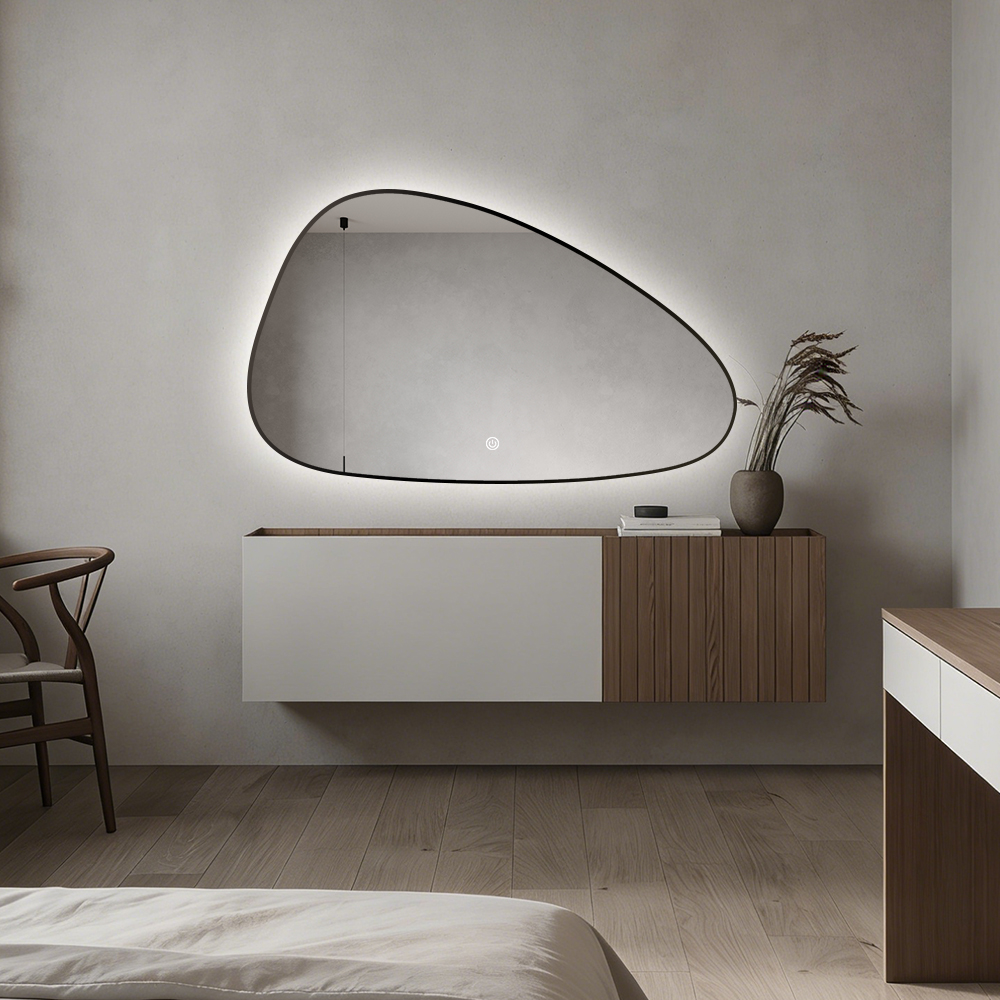 Organic shape designer black frame back lit LED bathroom mirrors with 3 color dimming and antifog
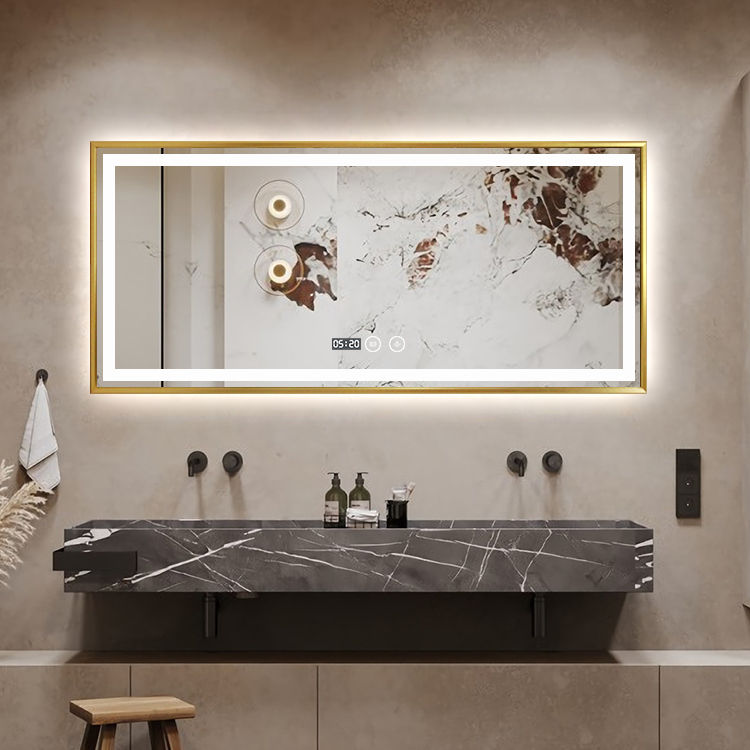 Low MOQ Rectanglar IP44 Waterproof Led Lighted Bathroom Mirror with Aluminum Alloy Frame
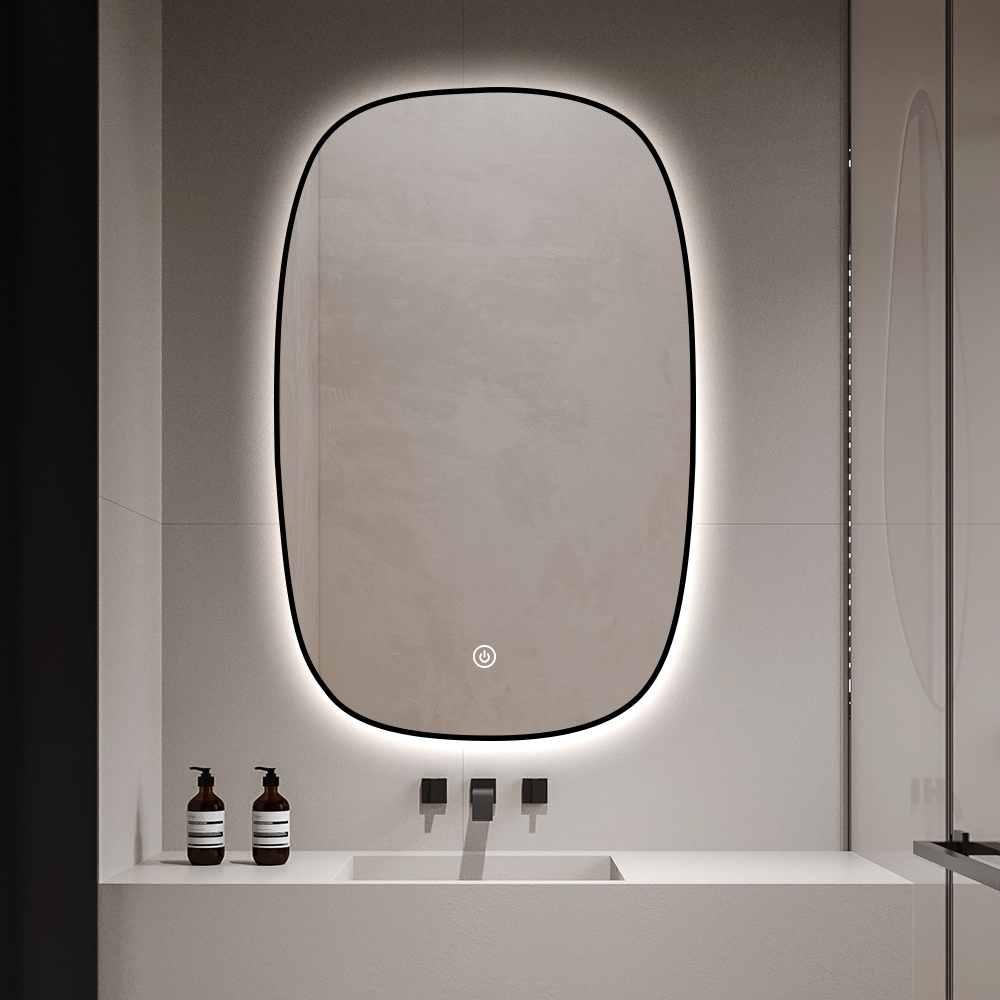 Irregular Framed Smart LED Bathroom Mirror with Dimmable Light
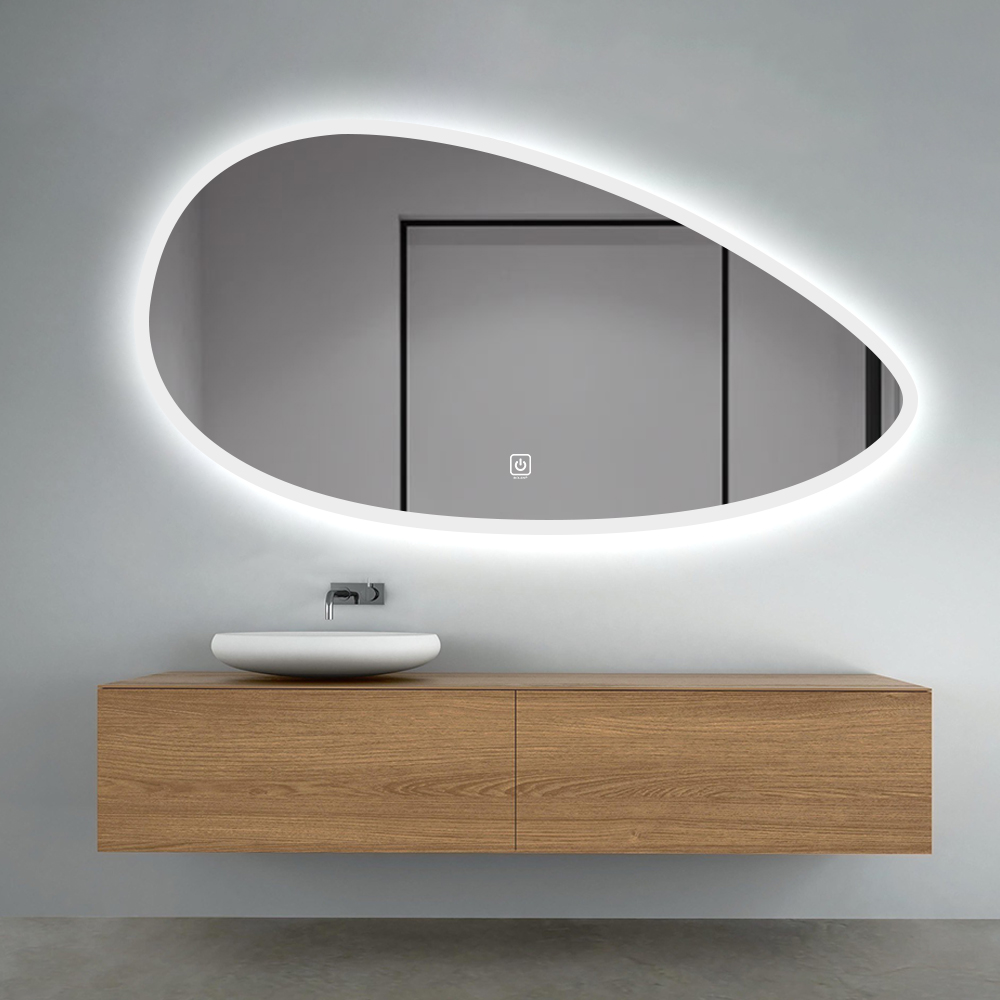 Frameless Irregular LED Vanity Bathroom Mirror with Dimmable Light
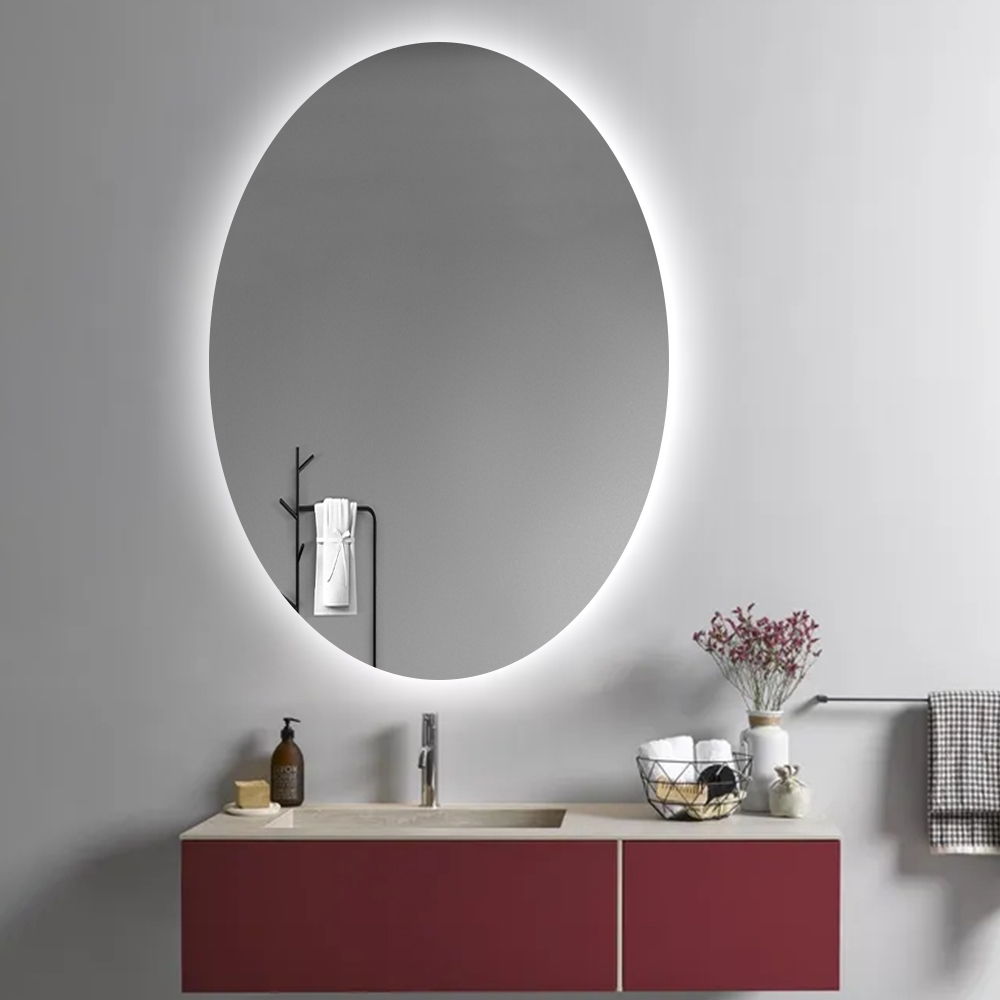 Modern Oval LED Bathroom Mirror with Anti-Fog and Touch Switch